
Introduction
Installing new kitchen countertops is one of the most impactful updates you can make to your home. Not only do countertops affect the look of your kitchen, but they also influence the functionality and durability of this essential space. Whether you’re updating outdated surfaces or embarking on a full kitchen renovation, the installation of kitchen countertops is a crucial step. This guide will walk you through the countertop installation process, the cost of installation, the best materials for countertops, and how to decide between DIY and professional installation.
Types of Kitchen Countertops
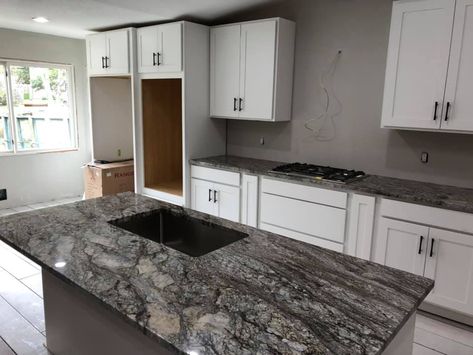
Granite Countertops
Granite countertops are a durable and timeless option that has remained a popular choice for homeowners. They are known for their natural beauty and resistance to scratches and heat, making them a solid investment for any kitchen.
-
Pros: High durability, variety of colors and patterns, heat and scratch resistant.
-
Cons: Expensive, needs regular sealing.
Granite is a premium choice, and the granite countertop installation process involves precise measurement and cutting, which may require professional assistance. However, if you’re looking for luxury countertops, granite is a strong contender.
Quartz Countertops
Quartz countertops are another popular material that combines natural beauty with the strength of engineered stone. Unlike granite, quartz countertops are non-porous and require less maintenance.
-
Pros: Low maintenance, available in a variety of colors, eco-friendly options.
-
Cons: May be prone to scratching, more expensive than laminate.
Quartz countertop installation is generally simpler than granite because quartz is engineered and more flexible. Quartz countertops are a fantastic choice for those looking for easy-to-clean, low-maintenance surfaces.
Marble Countertops
If you’re aiming for a luxurious look, marble countertops are the epitome of sophistication. Their timeless appeal and stunning aesthetics make them perfect for upscale kitchens. However, marble countertops can be more vulnerable to staining and scratching, so regular maintenance is key.
-
Pros: Elegant appearance, excellent for baking surfaces.
-
Cons: Prone to scratches and stains, high maintenance.
For marble countertop installation, it’s crucial to work with professionals due to the material’s fragility during the cutting and fitting process.
Countertop Installation Process
Preparing the Kitchen for Countertop Installation
Before any countertop installation, your kitchen needs to be properly prepared. This includes removing old countertops and ensuring the space is clean and level. If you’re replacing countertops, you will need to remove old surfaces carefully and dispose of them properly.
Measuring and Cutting
Accurate measurements are vital for a successful countertop installation. Whether you’re doing it yourself or hiring professionals, measuring the space accurately will ensure your new countertop fits perfectly.
Installing the Countertop
This step involves placing your countertop onto the cabinetry and securing it. Whether you’re doing a DIY countertop installation or using a professional service, ensure the countertop is properly aligned and sealed to prevent water damage.
Finishing Touches
Once the countertop is installed, the final touches include polishing edges, sealing joints, and applying caulk to prevent moisture from getting under the countertop.
Cost of Installing Kitchen Countertops
How Much Does Countertop Installation Cost?
The cost of installing kitchen countertops varies depending on the material and installation method. Granite and quartz countertops are generally more expensive than alternatives like laminate countertops or butcher block countertops. Here’s a breakdown of what you might expect to pay for countertop installation:
-
Granite: $50 – $200 per square foot
-
Quartz: $60 – $150 per square foot
-
Laminate: $10 – $30 per square foot
Additionally, labor costs for professional installation usually range between $30 – $100 per hour.
Additional Costs to Consider
Don’t forget to factor in additional costs such as removal of old countertops, custom cuts, delivery fees, and other charges that might arise during installation.
How to Choose the Right Countertop for Your Kitchen
Factors to Consider
Choosing the right countertop depends on several factors, including budget, kitchen style, and maintenance requirements. For example, if you have a large family, you may want to choose a countertop that is durable and easy to maintain, like quartz or granite.
Popular Trends in Kitchen Countertops
Some current trends include eco-friendly countertops made from recycled materials and sleek, minimalist designs. The growing preference for sustainable living has led to increased interest in recycled glass countertops and bamboo.
DIY vs. Professional Countertop Installation
Pros and Cons of DIY Countertop Installation
Installing countertops yourself can be a cost-saving option if you’re comfortable with DIY projects. However, DIY countertop installation may lead to mistakes, especially when dealing with heavy materials like granite or marble.
How to Hire a Professional Countertop Installer
If you prefer to hire someone, make sure to choose a qualified countertop installer. Look for companies with good reviews and a track record of successful countertop installations. Get multiple quotes and verify that the company is licensed and insured.
Conclusion
Installing new kitchen countertops can drastically enhance the look and feel of your kitchen. Whether you choose to tackle the project yourself or hire a professional, it’s important to make informed decisions about the materials, installation methods, and costs. If you need help with countertop installation, contact us today for a free consultation and quote.
FAQs
1. How much does kitchen countertop installation cost?
The cost of installing kitchen countertops varies depending on the material you choose and the size of your kitchen. On average:
-
Granite countertops can cost between $50 – $200 per square foot.
-
Quartz countertops typically range from $60 – $150 per square foot.
-
Laminate countertops are more affordable, averaging $10 – $30 per square foot.
Additionally, labor costs for professional installation may range from $30 to $100 per hour.
2. How long does it take to install kitchen countertops?
The installation time for kitchen countertops generally ranges from 1 to 3 days. The timeline depends on the material you choose and the complexity of the installation (e.g., cutting, sealing, and custom fitting).
For example, granite countertops may take longer due to their weight and need for precise cutting. Laminate countertops might be quicker to install due to their flexibility.
3. Can I install my own kitchen countertops?
Yes, DIY countertop installation is possible, but it requires careful planning and the right tools. If you are confident in your DIY skills, you can install laminate or butcher block countertops. However, for granite or quartz countertops, it’s recommended to hire a professional due to the precision required in cutting and fitting these heavy materials.
4. What are the best materials for kitchen countertops?
The best countertop material depends on your budget, style preferences, and maintenance needs. Popular options include:
-
Granite: Durable and heat-resistant, ideal for high-traffic kitchens.
-
Quartz: Low-maintenance and available in a variety of colors.
-
Marble: Luxurious but requires regular maintenance.
-
Laminate: Affordable and available in a wide range of designs.
5. How do I maintain my kitchen countertops?
Maintenance varies by material:
-
Granite countertops require sealing every 1-2 years to prevent stains.
-
Quartz countertops are non-porous and easy to clean with soap and water.
-
Marble countertops need regular sealing and care to avoid staining.
-
Laminate countertops should be wiped with mild cleaners to avoid damage.
6. Should I hire a professional for countertop installation?
If you are unsure about the installation process, hiring a professional countertop installer is a smart choice, especially for materials like granite or quartz. Professionals ensure precise fitting, avoid costly mistakes, and can provide a warranty for their work.
7. What’s the difference between granite and quartz countertops?
Both granite and quartz are durable countertop materials, but they differ in maintenance:
-
Granite is a natural stone and requires periodic sealing to protect against stains.
-
Quartz is engineered and is more maintenance-friendly, as it is non-porous and doesn’t require sealing.
8. How can I save money on countertop installation?
To save on countertop installation costs, consider opting for more affordable materials like laminate or butcher block. If you’re comfortable with it, DIY countertop installation can also save on labor costs. However, keep in mind that certain materials like granite or quartz require professional help.
9. Can I replace only part of my kitchen countertop?
Yes, it’s possible to replace just a section of your countertop. However, you may need to match the new material with the existing countertop, which can be difficult, especially with granite or quartz. Professional installers can help ensure a seamless transition if only part of the countertop is being replaced.
10. What should I do before countertop installation?
Before the countertop installation begins, ensure that:
-
The cabinets are level and sturdy.
-
The old countertop is removed (if applicable).
-
The space is clean and clear of any debris.
Hiring a professional installer ensures these steps are correctly completed, but if you’re doing it yourself, you’ll need to prepare the area thoroughly.